
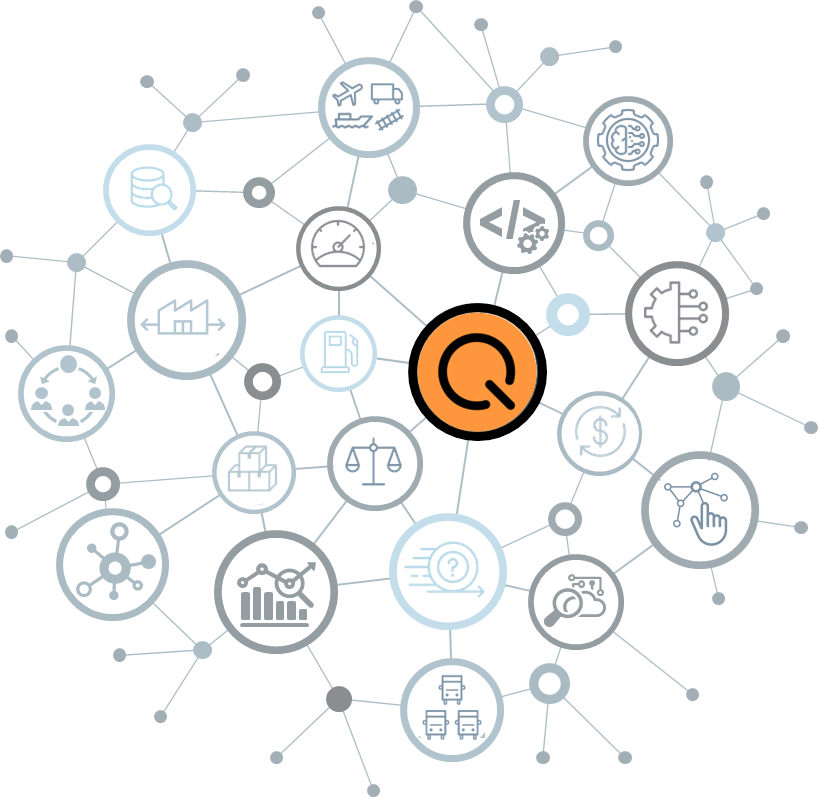
In a landscape where data is abundant but actionable insights are scarce, IntrinsiQ Logistics stands apart by transforming fragmented information into continuous decision support. We don’t just automate tasks—we orchestrate better decisions.
Here are three practical ways IntrinsiQ’s decision orchestration platform brings clarity and control to transport operations:
1. Detecting Invoice Anomalies
In the world of transport, invoicing errors are a hidden drain on resources. Instead of relying on labor-intensive spot checks, IntrinsiQ continuously scans for anomalies, linking real transactional data back to operational context. This ensures that deviations are caught early, corrections are made swiftly, and your team can focus on decisions that add value rather than firefighting errors.
2. Aligning Pricing with Changing Demand
Unlike static contracts that struggle to keep pace with market shifts, IntrinsiQ uses real-time data to identify demand changes and align pricing accordingly. This means you can recalibrate faster, protect margins, and maintain profitability even as conditions change.
3. Preventing Revenue and Margin Leakage
Margin erosion is often subtle and ongoing. IntrinsiQ doesn’t just flag issues; it continuously tracks performance against expectations, identifying sources of leakage early and enabling proactive adjustments. The result is sustained operational efficiency and defensible outcomes over time.
Conclusion
By integrating decision orchestration into your transport operations, IntrinsiQ helps you turn data into a strategic advantage. This isn’t about one-off automation projects or chasing the latest AI trend; it’s about having a continuous, context-aware layer that guides your team toward better decisions every day. And as a final note, according to a 2023 McKinsey Global AI Survey, companies that embed continuous decision-support systems achieve significantly better operational resilience and sustained performance (source).


 IntrinsiQ Logistics
Leave a comment